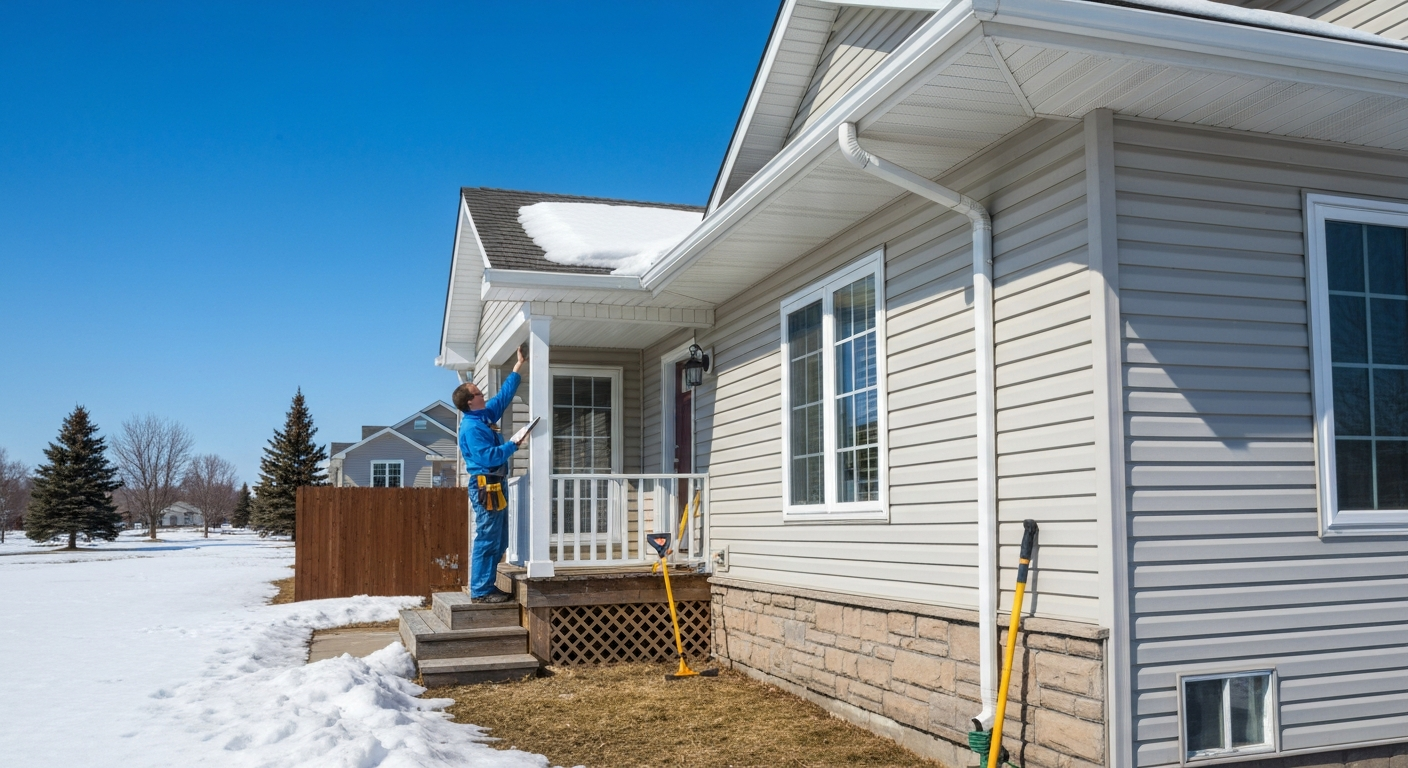
Complete Spring Home Maintenance Checklist for Regina Homeowners
Don't let Saskatchewan's harsh winter take a toll on your home. Follow our comprehensive spring maintenance checklist to identify and fix issues before they become costly repairs.
By Keenan George•7/15/2025•10 min read
Why Spring Maintenance Matters in Regina
After enduring Saskatchewan's brutal winter temperatures—often plunging to -40°C and below—your Regina home needs a thorough spring inspection. The province experiences over 100 freeze-thaw cycles annually, creating relentless stress on every exterior surface, foundation, and roofing system. Heavy snow loads, ice dams, and extreme temperature swings ranging from -40°C in January to +30°C in July can cause hidden damage that, if left unchecked, leads to expensive repairs.
Regina's clay soil compounds these challenges. As ground moisture freezes and expands, then thaws and contracts, foundations shift, fence posts heave, and underground plumbing systems experience stress fractures. Spring meltwater—often arriving suddenly during February and March warm-ups—tests every drainage system, gutter, and basement waterproofing measure you have in place.
The Saskatchewan Home Renovation Tax Credit offers homeowners a financial incentive to address these issues promptly. You can claim 10.5% on up to $4,000 in eligible renovation expenses (up to $5,000 if you're 65+), providing a maximum $420 credit ($525 for seniors) on your 2025 or 2026 tax return. Eligible expenses include labour, materials, fixtures, equipment rentals, and permit costs—making spring maintenance projects more affordable when you tackle them proactively.
Exterior Inspection Checklist
Roof and Gutters
Your roof bears the brunt of Saskatchewan winters. Ice dams form when heat escaping through inadequate attic insulation melts snow on your roof, which then refreezes at the eaves. This ice buildup forces meltwater under shingles, causing rot in roof decking, mold growth in attics, and water stains on ceilings.
Inspect shingles for winter damage, missing pieces, or loose materials—look particularly for lifted or cracked shingles near eaves where ice dams form
Check gutters for ice damage, rust, and ensure proper drainage—Regina's freeze-thaw cycles can crack PVC gutters ($3-$10/linear foot to replace) or corrode galvanized steel systems ($4-$15/linear foot)
Clear debris from downspouts and ensure water flows at least 6 feet away from foundation to prevent basement seepage
Look for ice dam damage along roof edges and eaves—water stains on interior ceilings indicate meltwater infiltration requiring immediate attention
Examine attic insulation and ventilation—your attic temperature should match outdoor temperatures; if it's warmer, you're losing heat that creates ice dams
Scan for loose or damaged flashing around chimneys, vents, and skylights where leaks commonly develop
Professional gutter cleaning in Regina typically costs $100-$350 per service. If more than 30% of your gutter system shows corrosion or damage, replacement becomes more cost-effective than ongoing repairs. Consider installing gutter guards ($1-$4.50 per linear foot) to reduce annual maintenance, though they still require periodic cleaning in Saskatchewan's debris-heavy spring conditions.
Siding and Foundation
Siding materials respond differently to Saskatchewan's climate extremes. Vinyl siding ($2.50-$11 per square foot to repair) can crack in extreme cold, while wood siding ($10-$25 per square foot) is prone to rot from moisture infiltration. Fiber cement siding ($5-$15 per square foot) offers superior durability against freeze-thaw cycles but can crack if impacted by falling ice or hail.
Examine siding for cracks, warping, or loose sections—repair small areas immediately, but replace entire sections if more than 25% shows damage
Check caulking around windows and doors for gaps—failed caulking allows moisture infiltration and significantly reduces energy efficiency
Inspect foundation for new cracks or settling issues—hairline cracks under 1/4 inch are common in Regina's clay soil, but widening cracks indicate structural concerns
Clear vegetation away from foundation walls—maintain at least 12 inches of clearance to prevent moisture retention and pest access
Examine basement walls for dampness, efflorescence (white mineral deposits), or water stains indicating seepage during spring melt
Check grade around perimeter—soil should slope away from foundation at minimum 6 inches over 10 feet to direct meltwater away
Foundation repairs require professional assessment. Minor crack sealing costs $250-$600, while significant structural repairs can reach $2,000-$8,000 depending on severity. The Saskatchewan Home Renovation Tax Credit applies to foundation waterproofing and structural repairs, making spring the ideal time to address these issues before summer rains compound the damage.
Decks, Fences, and Outdoor Structures
Frost heave affects every outdoor structure in Regina. Fence posts can shift 2+ inches during winter, and deck footings experience similar movement in clay soil.
Inspect deck boards for rot, splitting, or loose fasteners—replace damaged boards ($3-$11 per square foot) before they create safety hazards
Check deck structural posts for movement or rot at ground contact points—compromised posts require immediate replacement
Examine fence posts for heaving or lean—reinforce loose posts with additional concrete ($50-$150 per post) or replace severely compromised posts ($100-$300 each including excavation and concrete)
Test deck railings for stability—loose railings violate safety codes and create liability concerns
Look for fastener corrosion—replace rusted screws or nails with galvanized or stainless steel hardware
Plan deck refinishing for late May through August when temperatures consistently exceed 10°C—optimal for stain and sealant curing. Professional sanding and refinishing costs $3-$6 per square foot, while DIY supplies run $150-$300 for an average deck. If more than 25% of posts show instability from frost heave, budget for full replacement rather than incremental repairs.
Interior Systems Check
Plumbing System
Saskatchewan's -40°C winters create severe frozen pipe emergencies, particularly in unheated basements, crawl spaces, and exterior wall cavities. Spring thaw reveals damage that occurred during winter cold snaps.
Test all faucets for proper operation and leaks—check both hot and cold water flow, as frozen pipes often crack without immediately bursting
Check toilet functionality and look for base leaks—water pooling around toilet bases indicates wax ring failure or floor rot
Inspect exposed pipes in basements, crawl spaces, and attics for freeze damage or cracks—look for corrosion, mineral buildup, and stress fractures
Test sump pump before spring melt begins—pour water into the pit to verify activation and drainage; spring is peak season for sump pump failures
Examine water heater for corrosion, leaks, or mineral buildup—Regina's hard water accelerates tank deterioration
Check water pressure throughout the house—low pressure indicates potential pipe blockage or hidden leaks
Inspect under sinks for moisture, mold, or cabinet damage indicating slow leaks
Professional plumbing assessments in Saskatchewan cost $100-$275 per hour, with typical service calls ranging $130-$455 including the first hour. Frozen pipe repairs run $250-$1,000+ depending on accessibility—pipes within walls or under concrete slabs cost significantly more than exposed basement pipes. Water heater installation ranges $1,800-$2,950, while sump pump installation costs $350-$550.
Multiple drains backing up simultaneously signals sewer line issues requiring immediate professional attention. Under-slab plumbing repairs in Regina homes are particularly challenging due to clay soil movement and require specialized equipment and expertise.
HVAC System
Your furnace worked overtime during Regina's winter, often running continuously during cold snaps. Spring maintenance prevents summer breakdowns when air conditioning becomes essential.
Replace furnace filters after heavy winter use—dirty filters reduce efficiency by 15% and strain blower motors
Schedule AC maintenance before hot weather arrives—June temperatures regularly exceed 30°C, and HVAC companies book solid once heat waves begin
Clean air ducts of winter dust and debris—professional duct cleaning costs $300-$500 but improves air quality and system efficiency
Test thermostat functionality for cooling season—verify both heating and cooling modes operate correctly
Inspect outdoor AC unit for winter damage, debris accumulation, and bent fins
Check condensate drain line for clogs that can cause water damage during cooling season
Examine ductwork for disconnections, holes, or inadequate insulation in unconditioned spaces
Professional HVAC tune-ups cost $150-$300 and typically include filter replacement, coil cleaning, refrigerant level checks, and electrical connection inspection. This preventive maintenance extends equipment life by 3-5 years and maintains manufacturer warranties that often require annual professional service.
Safety and Efficiency Updates
Smoke and Carbon Monoxide Detectors
Saskatchewan building codes require working smoke alarms on every level of your home and outside sleeping areas. Carbon monoxide detectors are mandatory within 5 meters of bedrooms in homes with fuel-burning appliances or attached garages.
Test all detectors and replace batteries—use the test button monthly and replace batteries annually, even in hardwired units with battery backup
Check expiration dates on units older than 10 years—smoke detectors lose sensitivity over time and must be replaced
Verify placement meets current safety codes—ceiling-mounted detectors should be at least 10 cm from walls; wall-mounted units should be 10-30 cm below ceiling
Replace any missing detectors—basic ionization smoke alarms cost $15-$30, while combination smoke/CO detectors run $40-$80
Consider upgrading to interconnected units—when one alarm sounds, all alarms activate throughout the house
Windows and Doors
Regina's 70°C annual temperature swing (from -40°C to +30°C) stresses window seals, weatherstripping, and door frames. Spring inspection prevents energy loss and moisture infiltration.
Remove storm windows and clean thoroughly—inspect for cracks, broken seals, or frame damage
Check weatherstripping for wear and gaps—replace compressed or torn weatherstripping around doors ($20-$50 per door) and windows ($3-$8 per window)
Lubricate hinges and locks for smooth operation—use silicone spray rather than oil-based lubricants that attract dirt
Test security features on all entry points—verify deadbolts engage fully and strike plates are securely fastened
Inspect window glazing for cracks or gaps—failed seals in double-pane windows show condensation between panes
Examine thresholds for rot or damage—wooden thresholds deteriorate quickly in Regina's climate
Check door alignment—doors that stick or have uneven gaps indicate settling or hinge problems
Window replacement qualifies for the Saskatchewan Home Renovation Tax Credit and significantly improves energy efficiency. New Energy Star-rated windows cost $400-$1,200 installed, depending on size and style, but can reduce heating costs by 12-15% annually.
Yard and Outdoor Preparation
Spring cleanup in Regina begins once frost leaves the ground, typically mid-April. Early preparation prevents drainage problems during peak melt and sets up your property for summer.
Clean up winter debris from lawn and garden areas—remove dead vegetation, branches, and accumulated sand/gravel from winter road treatments
Inspect deck and fence for winter damage—document issues for insurance claims if storm damage occurred
Test outdoor water spigots for freeze damage—turn on each spigot slowly and check for leaks at connection points inside basement or crawl space
Check drainage patterns around property—identify areas where meltwater pools and regrade as needed
Examine driveway and walkways for frost heave damage, cracks, or settling—asphalt repairs cost $3-$8 per square foot, while concrete repairs run $6-$12 per square foot
Inspect retaining walls for movement or bulging—frost heave can push walls outward, requiring professional assessment
Clear window wells of debris and standing water—ensure drainage systems function properly
Check grade around air conditioning units—ensure proper drainage and clearance for airflow
Seasonal Timing for Saskatchewan Maintenance
Timing matters significantly in Regina's climate. Schedule maintenance and repairs during optimal weather windows for best results and material performance.
Best Months for Exterior Work
May through September offers ideal conditions for exterior repairs. Temperatures between 10-25°C allow proper curing for adhesives, caulking, paint, and concrete. Avoid scheduling major exterior work during:
Winter (November-March)—frost heave continues, materials don't cure properly, and extreme cold makes work dangerous
Early spring (April)—ground remains saturated from melt, making excavation and concrete work problematic
Late fall (October-November)—early frosts prevent proper curing and risk material failure
Schedule post-winter inspections in April once snow melts completely. This timing allows you to identify damage, obtain quotes, and schedule repairs during the May-September construction season when contractors have better availability and materials cure properly.
Cost Breakdown for Common Spring Repairs
Repair Type
Cost Range (CAD)
Notes
Gutter cleaning
$100-$350
Per service; semi-annual recommended
Gutter replacement (aluminum)
$4-$12/linear foot
Replace if >30% corroded
Vinyl siding repair
$2.50-$11/sq ft
Small sections; replace if >25% damaged
Deck board replacement
$3-$11/sq ft
Pressure-treated lumber recommended
Fence post replacement
$100-$300/post
Includes excavation and
For professional assistance with any home repair needs, contact Hey Fix It Pro at 639-739-0855 for a no-obligation assessment and quote.