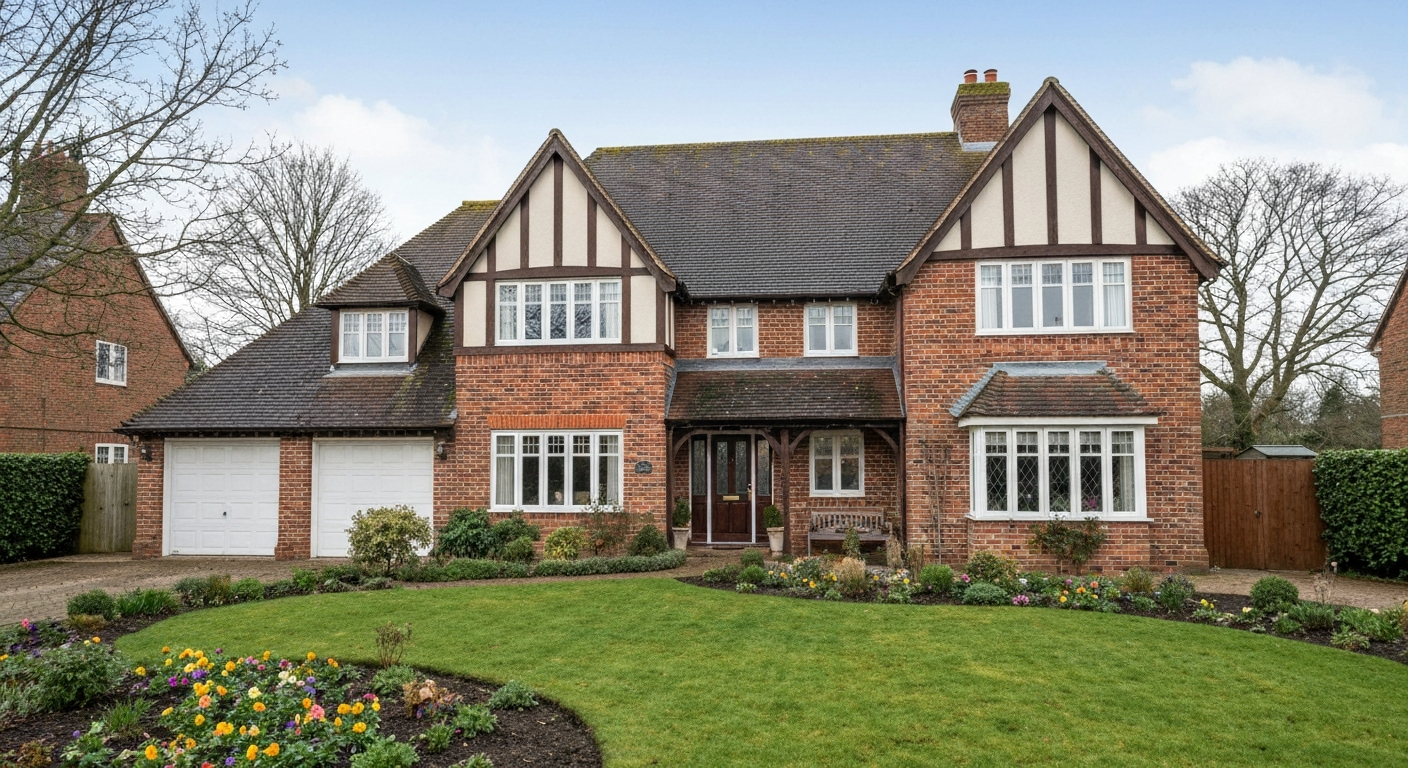
With winter temperatures reaching -40°C and summer highs over 30°C, Saskatchewan homes face some of Canada's most extreme weather conditions. The province experiences 100+ freeze-thaw cycles annually, placing extraordinary stress on building envelopes and mechanical systems. Smart energy efficiency improvements can dramatically reduce utility bills while improving year-round comfort—particularly important when the average Saskatchewan household spends $1,500-$3,000 annually on heating alone.
Saskatchewan's climate zone classification (Zone 7A under the National Building Code) demands higher insulation values and more robust air sealing than most Canadian provinces. The province's clay soil conditions also contribute to foundation movement, which can compromise the effectiveness of weatherization efforts. Homeowners in Regina, Saskatoon, Martensville, White City, and Pilot Butte face unique challenges that require tailored solutions rather than generic energy efficiency advice.
Attic insulation represents one of the highest-return investments for Saskatchewan homeowners, with heat rising naturally and escaping through inadequately insulated roof assemblies. The current standard for Saskatchewan's climate zone calls for R-50 to R-60 values, significantly higher than the R-40 common in milder provinces.
The Home Efficiency Retrofit Rebate (HERR) program offers up to $1,000 toward attic insulation upgrades when combined with an EnerGuide evaluation. This rebate, available until March 1, 2026, significantly improves the return on investment. For a $3,000 insulation upgrade saving $400 annually, the payback period drops from 7.5 years to approximately 5 years after rebates.
Timing matters in Saskatchewan. Schedule attic insulation work for late spring or early fall when temperatures are moderate. Winter installations risk condensation issues from warm interior air meeting cold materials, while summer heat makes attic work uncomfortable and potentially dangerous.
Rim joists—the perimeter framing where floor joists meet the foundation—represent a critical yet frequently overlooked thermal weak point. In older Saskatchewan homes built before modern energy codes, these areas often have zero insulation, creating a continuous thermal bridge around the entire foundation perimeter.
Saskatchewan's clay soil conditions cause seasonal foundation movement, which can crack rigid foam installations over time. Use flexible sealants at all joints and consider spray foam for areas with visible foundation movement. In White City and Pilot Butte, where newer subdivisions often have better baseline insulation, focus on older sections of homes or additions that may not meet current standards.
While attic and basement insulation offer the best returns, wall insulation upgrades deserve consideration in homes built before 1980. Many older Regina and Saskatoon homes have 2x4 wall construction with minimal insulation—sometimes just R-7 to R-11 compared to modern R-20 to R-24 standards.
Blown-in insulation can be added to existing walls through small holes drilled from the exterior, then patched and painted. This process costs $3,000-$6,000 for a typical bungalow but requires careful execution to avoid moisture problems. Dense-pack cellulose or blown fiberglass fills wall cavities without removing interior finishes, making it practical for occupied homes.
Air leakage often accounts for 25-40% of heating costs in Saskatchewan homes—more than any other single factor. The extreme temperature differential between indoor and outdoor air (up to 60°C in winter) creates powerful pressure differences that drive air infiltration through even tiny gaps. Addressing air leakage before adding insulation maximizes the effectiveness of both investments.
The Saskatchewan Home Renovation Tax Credit provides 10.5% back on eligible air sealing expenses up to $4,000 ($420 maximum credit). This applies to labour, materials, and permits for work completed between October 1, 2024, and December 31, 2025. Seniors aged 65+ can claim on up to $5,000 in expenses for a maximum $525 credit.
Blower door testing uses a calibrated fan to depressurize your home while infrared cameras and smoke pencils identify air leakage locations. This diagnostic service costs $300-$500 in Regina and Saskatoon but provides data-driven prioritization of air sealing efforts.
The HERR program requires both pre- and post-retrofit EnerGuide evaluations, which include blower door testing. The $600 evaluation cost is reimbursed through the program, making this normally discretionary expense effectively cost-neutral when pursuing rebates.
Windows and doors can account for 25-35% of heat loss in Saskatchewan homes, making them high-priority upgrade targets. However, their high upfront cost means careful analysis of return on investment is essential. Focus first on units with visible condensation, ice buildup, or obvious drafts—these indicate failed seals or inadequate performance.
Saskatchewan's climate demands windows that would be considered overkill in milder regions. The temperature differential between interior and exterior surfaces creates condensation risk, while extreme cold tests the durability of seals and frames.
Complete window replacement costs $10,000-$20,000 for a typical 1,500 sq ft home with 10-12 windows. The HERR program provides $500-$1,000 toward ENERGY STAR certified window upgrades, while annual energy savings typically range from $400-$800. This yields a payback period of 10-15 years after rebates—longer than insulation but justified by improved comfort and reduced condensation issues.
For homeowners in Martensville and other newer communities, windows are likely adequate if the home was built after 2010. Focus instead on weatherstripping maintenance and ensuring proper operation of weep holes that drain condensation from window frames.
Entry doors face the full brunt of Saskatchewan's weather extremes, from -40°C winter nights to intense summer sun. Fiberglass and insulated steel doors significantly outperform wood in thermal performance and durability.
Entry door replacement costs $800-$2,000 for a basic insulated steel unit, or $1,500-$3,000 for fiberglass with decorative glass. Professional installation adds $300-$500 but ensures proper shimming, flashing, and air sealing—critical for performance in Saskatchewan's climate. The HERR program provides $200-$500 toward qualifying door upgrades.
Garage doors represent another significant thermal weak point, particularly in homes with attached garages. An insulated garage door (R-12 to R-18) costs $1,200-$2,500 installed and can reduce heating costs while protecting vehicles and stored items from extreme cold.
Heating systems work harder in Saskatchewan than almost anywhere else in Canada, making efficiency improvements particularly valuable. The average Saskatchewan home uses 5,000-10,000 kWh equivalent of natural gas annually for heating, representing the single largest energy expense for most households.
Modern high-efficiency furnaces extract significantly more heat from natural gas than older units, while variable-speed blowers improve comfort and reduce electricity consumption.
Furnace replacement costs $5,000-$8,000 installed for a 96% AFUE unit appropriate for a typical Saskatchewan home. The Heating Affordability Program provides income-qualified homeowners with a cost-neutral high-efficiency furnace and programmable thermostat (available until March 31, 2026, or 50 units exhausted). For homeowners who don't qualify, the Canada Greener Homes Grant offers up to $5,000 toward furnace upgrades, significantly improving return on investment.
Important: Furnace installation requires a licensed HVAC contractor registered with TSASK. Gas permit fees are $325 for new installations or $180 for replacements. Handymen cannot legally perform furnace installation or repair work in Saskatchewan—only filter replacement and basic maintenance fall outside licensed contractor requirements.
Programmable and smart thermostats offer some of the best returns on investment of any energy efficiency measure, with typical costs of $100-$250 and annual savings of 10-15% on heating bills.
Basic thermostat installation is within handyman scope if replacing an existing low-voltage unit without altering wiring. However, installations requiring new wiring or integration with complex HVAC systems require an electrical permit through TSASK and should be performed by a licensed electrician. Hey Fix It Pro can assess your specific situation and determine whether a handyman installation is appropriate or if licensed electrical work is required.
Even the most efficient furnace can't perform well if ductwork leaks heated air into unconditioned spaces. Duct sealing and insulation improvements often provide better returns than furnace replacement in homes with adequate but inefficient heating systems.
Professional duct sealing costs $800-$1,500 and can improve system efficiency by 20-30%. Focus on basement and crawl space ductwork where leaks waste heated air outside the building envelope. Mastic sealant or aerosol-based duct sealing systems outperform traditional duct tape, which degrades rapidly in temperature extremes.
Water heating represents 15-20% of home energy use in Saskatchewan, making it the second-largest energy expense after space heating. Efficiency improvements range from simple low-
For professional assistance with any home repair needs, contact Hey Fix It Pro at 639-739-0855 for a no-obligation assessment and quote.
